


Leafy Greens

Leafy greens are like nature's confetti, ready to sprinkle joy into every meal! My backyard is a green parade with lettuce, spinach, and collard greens leading the charge. Lettuce, the fresh diva, only graces my plate in its crisp, raw form. Meanwhile, spinach and collard greens pull double duty, either fresh or chilling in the freezer, stockpiling iron, fiber, and vitamins for my soup cauldron all year round.
Root Crops

There is nothing quite as satisfactory as picking and enjoying fresh carrots. The flavor profiles are incredibly delightful. I just love growing these root crops as they are mostly self regulating once you plant them, you have to water, feed and weed. They will do all the rest.
Unlike high maintenance plants like peppers and tomatoes that demand pruning, potatoes are the low-maintenance rebels of the garden! Just pluck off any cheeky flowers that pop up, and you're good to go. And voilà, you've got a steady supply of root veggies to keep your culinary adventures thrilling all year round!
Peppers / Tomatoes

Whether you're team sweet, mild, or spicy, growing peppers opens up a treasure trove of choices! I'm all about those mild, flavorful peppers that are perfect for pickling when the season wraps up. And let’s not forget my tomato collection—perfect for fresh snacking or stashing away as salsa or pasta sauce for when you need a taste of summer!
Squash

Growing Squash or Gourds is like having a garden party that keeps on giving! Sure, these hungry plants eat like royalty, but they repay you in spades by being the garden gift that keeps on giving—even into next year! With options galore, from sprawling vines to tidy bushes, there's a squash for every square inch of space. These nutrient-packed powerhouses might be dense, but they’ll keep you and your loved ones happily munching long after they've bid farewell to the vine.

Legumes / Beans / Peas

Growing beans is like planting a goldmine of goodies of nutrition and sustainability in your backyard. These versatile legumes are not only packed with protein and fiber, making them a fantastic addition to any diet, but they also play a crucial role in enriching the soil by fixing nitrogen. One of the most delightful aspects of cultivating beans is their generous nature; the more you harvest, the more they produce. This perpetual cycle of abundance ensures a continuous supply of fresh beans throughout the growing season, turning your garden into a bountiful haven of nourishment and growth.
Herbs
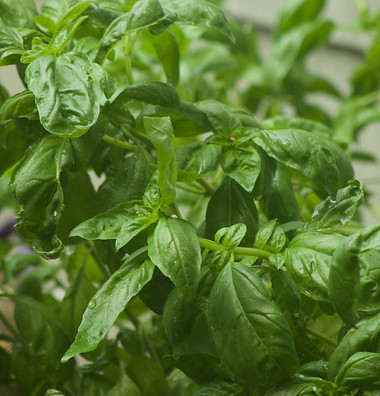
For me, there's nothing quite as calming as the whiff of lavender, but these budding wonders are more than just a nose-pleaser! Cultivating a herb squad can jazz up the tastes of tomatoes, potatoes, carrots, and even meat and fish like a culinary rockstar. Plus, many herbs moonlight as nature’s medicine cabinet, ready to brew into teas, oils, or poultices to tackle whatever ails you. Now that's herbal magic!
Seed Saving

One of life's little miracles I adore is witnessing a speck of a seed transform into a lush bush, vine, or tuber wonderland! Plus, the economic thrill of saving a few bucks by growing a botanical buffet keeps me hooked on saving seeds from my harvests. I'm endlessly fascinated by how one humble carrot seed can multiply like rabbits on a sugar high, unlike the more laid-back potato and garlic, which are still a miracle in their own right. This is the golden nugget I seek when picking out my next crop adventure!
Flowers / Beautification

It has taken me quite some time to cultivate my flower garden because, for a long while, I prioritized aesthetics over care. After unintentionally losing too many flowers, I paused to reflect on my mistakes. I realized I had overlooked the complete needs of the plants, just as I would for tomatoes or peppers. I started to think about the types of light, water, fertilizer, and companion plants they thrive with, leading to a significant shift in my approach. Alongside these insights, I also learned how annuals and perennials function within hardiness zones, which has greatly improved my success.
Pest Management

In a permaculture system, natural pest control is achieved through a harmonious blend of biodiversity and ecosystem management. By cultivating a variety of plants, beneficial insects such as ladybugs and predatory beetles are attracted to the garden, naturally keeping pest populations in check.
Companion planting is another strategy, where certain plants like marigolds are grown alongside crops to repel pests through natural chemical emissions. Additionally, integrating animals such as chickens or ducks can help manage pests as they forage for insects. This holistic approach not only minimizes the need for chemical interventions but also fosters a balanced and self-sustaining ecosystem.
Composting

The secret sauce to a thriving garden bed lies in the nutrients and hydration it soaks up all year round. Picture this: an open cage lasagna composting extravaganza that keeps the air swirling and the organic goodies breaking down like a pro! After each harvest, we toss the leftover greenery on top, sprinkle in a dash of kitchen scraps, and then tuck everything in with a cozy blanket of last fall’s dried leaves. This process continues until the pile reaches its peak. We allow some time for Mother Nature's diligent workers, the earthworms, to consume and decompose the organic matter. They then excrete their own food waste, ultimately resulting in horticultural black gold!